Does It Make Sense or Not? By train to an Erasmus+ staff mobility in Hamburg
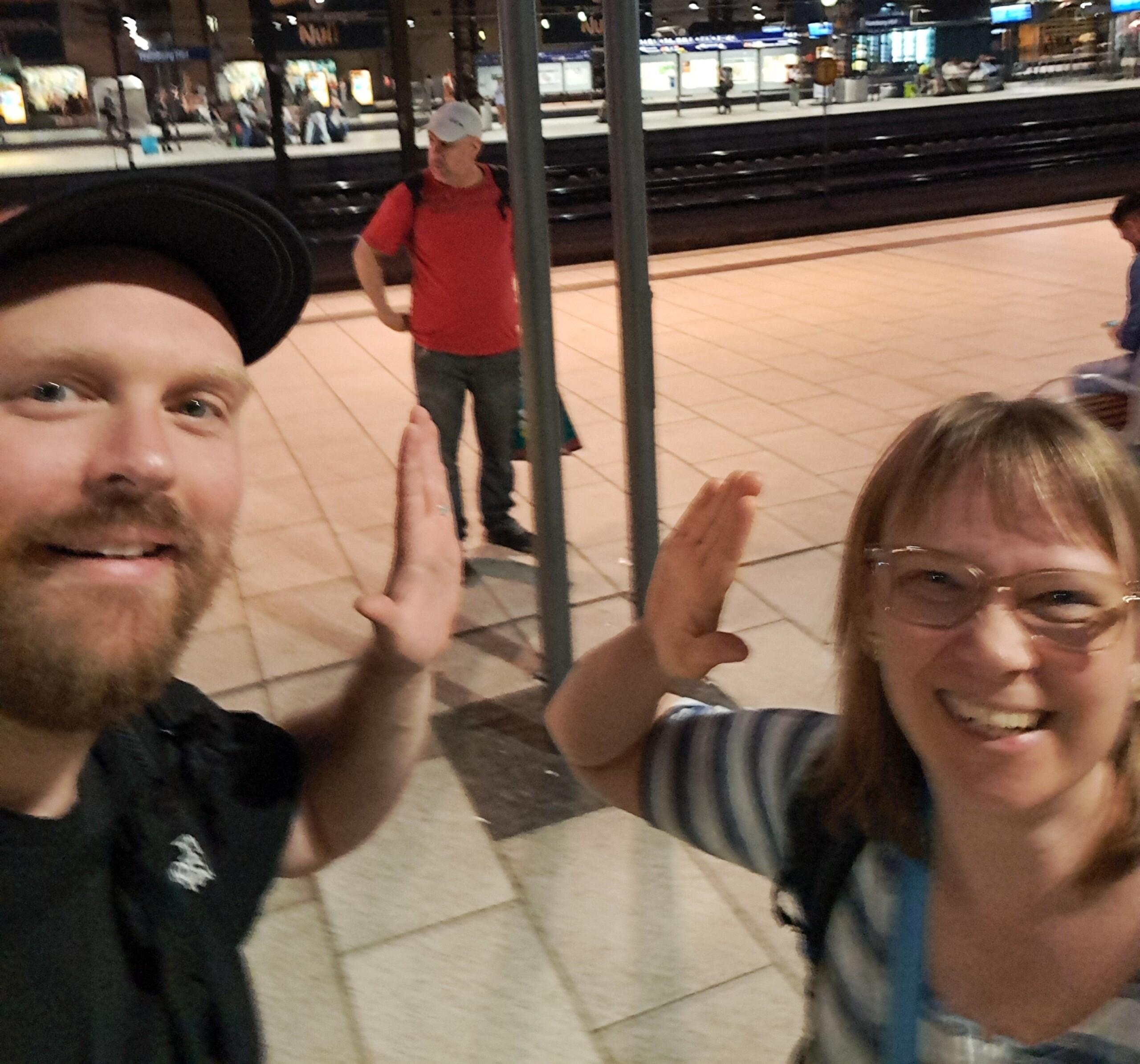
Does this make any sense? Is it possible to make an international work trip in a more environmentally responsible way, and what does it require in practice? These were the questions two special needs vocational teachers from Luovi Vocational College, Mari Salo and Aapo Ansas, set out to explore when they chose Hamburg as the destination of their Erasmus+ staff mobility starting on Saturday 30 May. But first, let us go back a little. Mari explains how it all began.
“In spring 2025, two German trainees in the field of guidance and counselling spent two months with our TUVA and TELMA groups in Rovaniemi. Their teacher also visited us and became very interested in Luovi’s way of working. Later, we were invited to visit their school in Hamburg in return. At first I declined, because for environmental reasons I have not flown for eight years. Then I had an idea: what if we travelled by train instead? I suggested it to my colleague Aapo, a TELMA teacher, and he immediately joined in. After that, we applied for an international Erasmus+ expert exchange, and fortunately our applications were accepted. When one colleague heard about the plan, they asked: ‘Does that really make any sense?’ We felt that during the journey we would find out whether it did or not. At the very least, we knew it would be an adventure.”
How did Mari and Aapo’s train journey from Rovaniemi to Hamburg go? Aapo shared their experiences from the outbound trip. More than once, they found themselves saying: “If we had flown, we would never have seen this.” While admiring the beautiful Finnish archipelago from the ferry the previous evening, they began to think what an inspiring learning experience a journey like this could be for students as well. The archipelagos of Turku and Stockholm, a morning walk through Stockholm’s old town, a short stop in Malmö – all of this offered opportunities to practise reading timetables, using map applications, asking for help, and observing nature, cities and culture. Travelling overland also meant encountering signs in different languages and making sense of them, using several modes of transport, and simply having time to sit quietly and watch the landscape change. The journey itself gradually became much more than a route to a destination. Mari shared a story in the morning about an Indigenous person who said that when you fly, your soul arrives later. Somewhere between Linköping and Nässjö, Aapo began to understand what that meant.
An inspiring community offered new perspectives for international cooperation
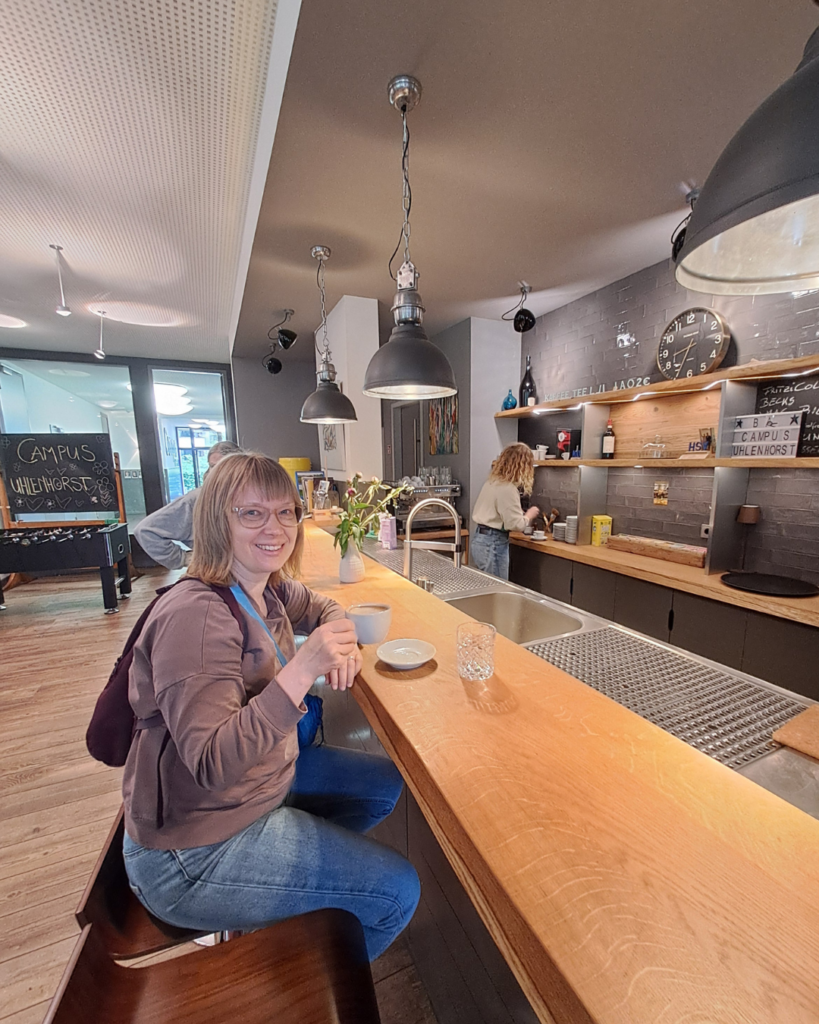
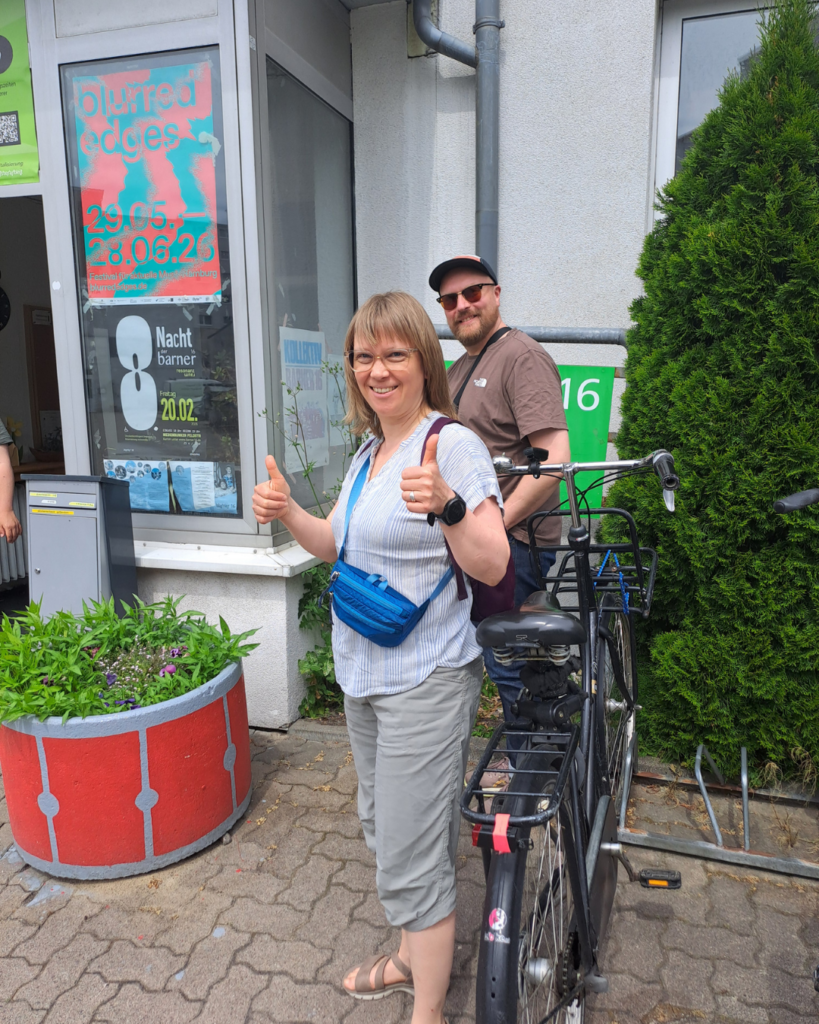
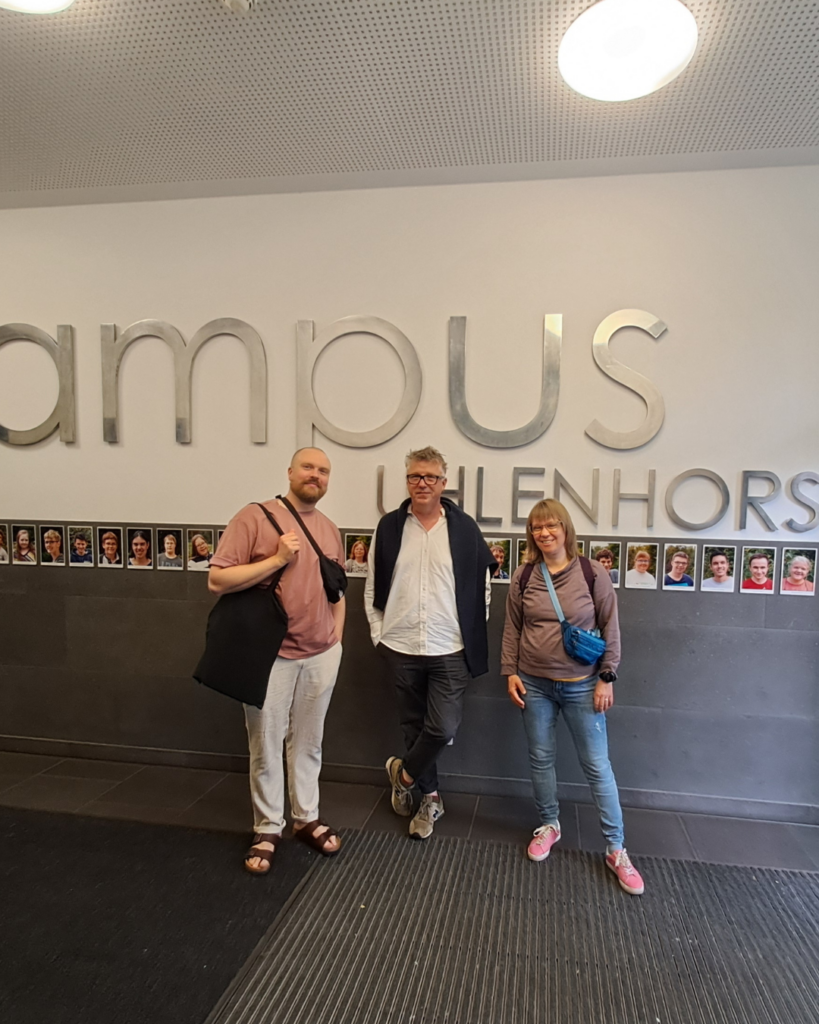
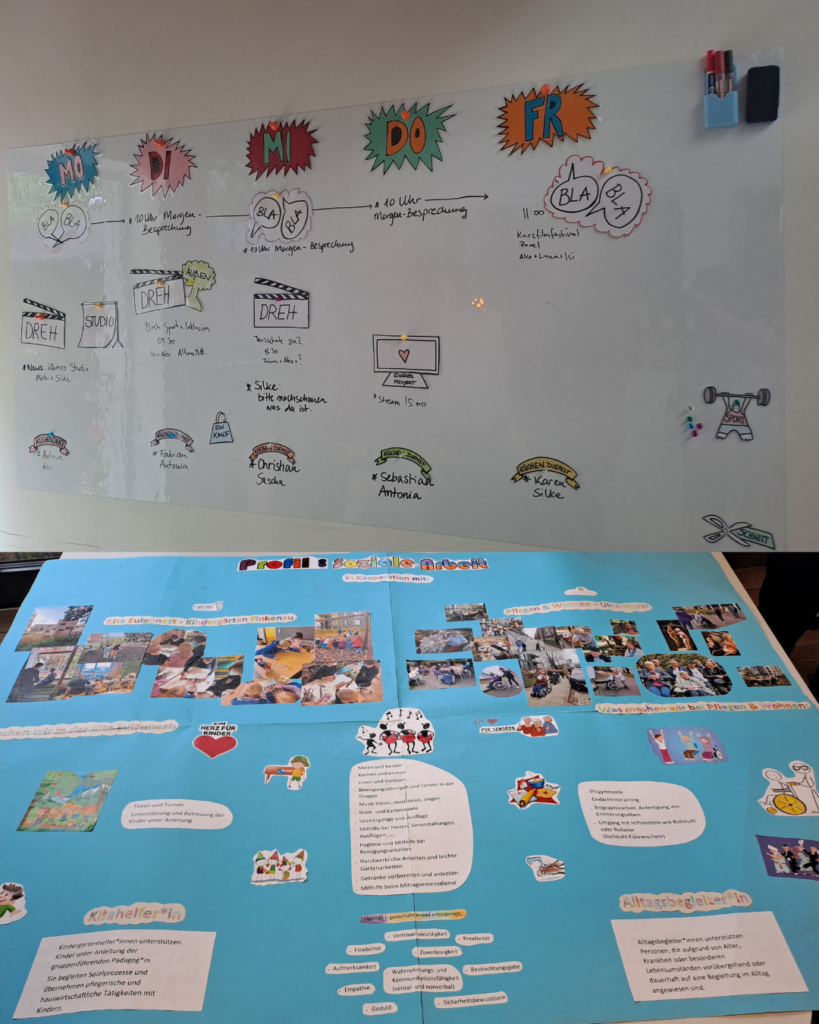
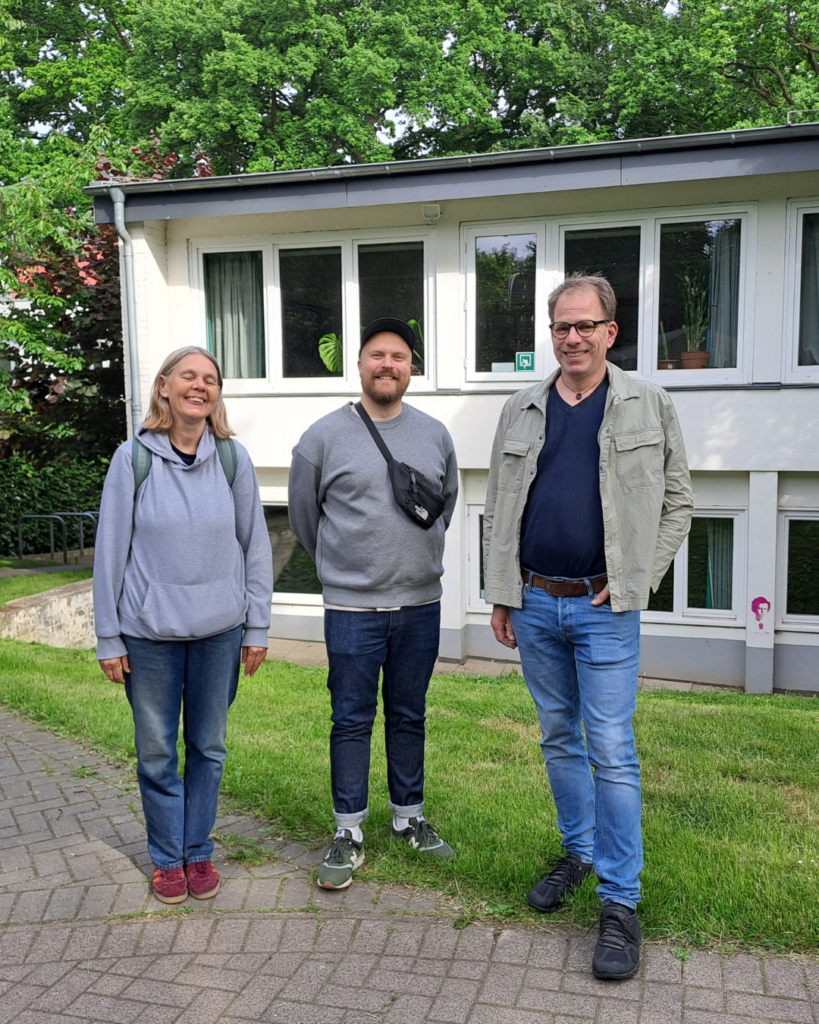
The first morning in Hamburg began with a walk through a peaceful residential area to the school we were about to visit: Evangelische Stiftung Alsterdorf. At first glance, it looked like a small and welcoming place. We could not have been more mistaken. Behind the school opened up an entire village-like community with a wide range of services and learning environments: education and training for several professions in the social sector, an early childhood education setting for children with special support needs, work activities, housing, day services, restaurants, a shop, an art workshop, and even its own hospital and dental clinic for people in need of support.
The most powerful moment of the day was hearing about the history of the school and the community. It also includes the dark period of National Socialism, when people in need of support were cruelly pushed aside and excluded from society. The history within these walls is also a reminder of how valuable the work is that they do there – and that we do at Luovi – in promoting human dignity, participation and equality. There is a place for everyone in our society. In addition to a great amount of new information, the day brought remarkable new connections and many ideas for future cooperation.
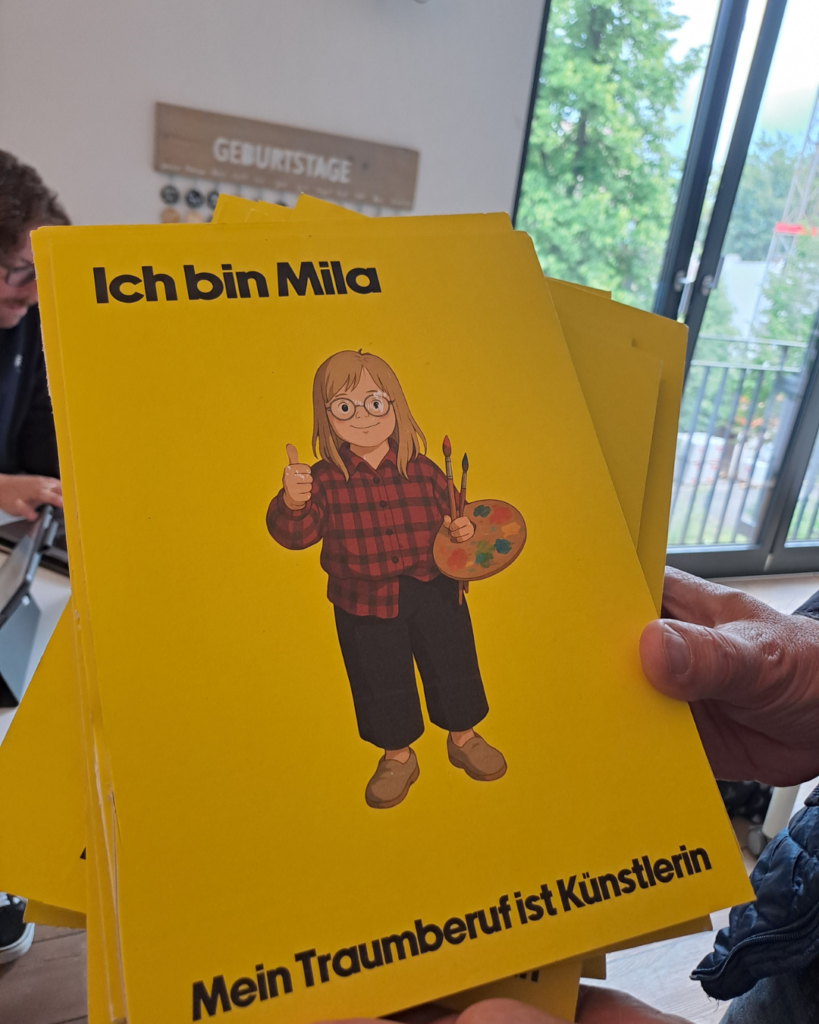
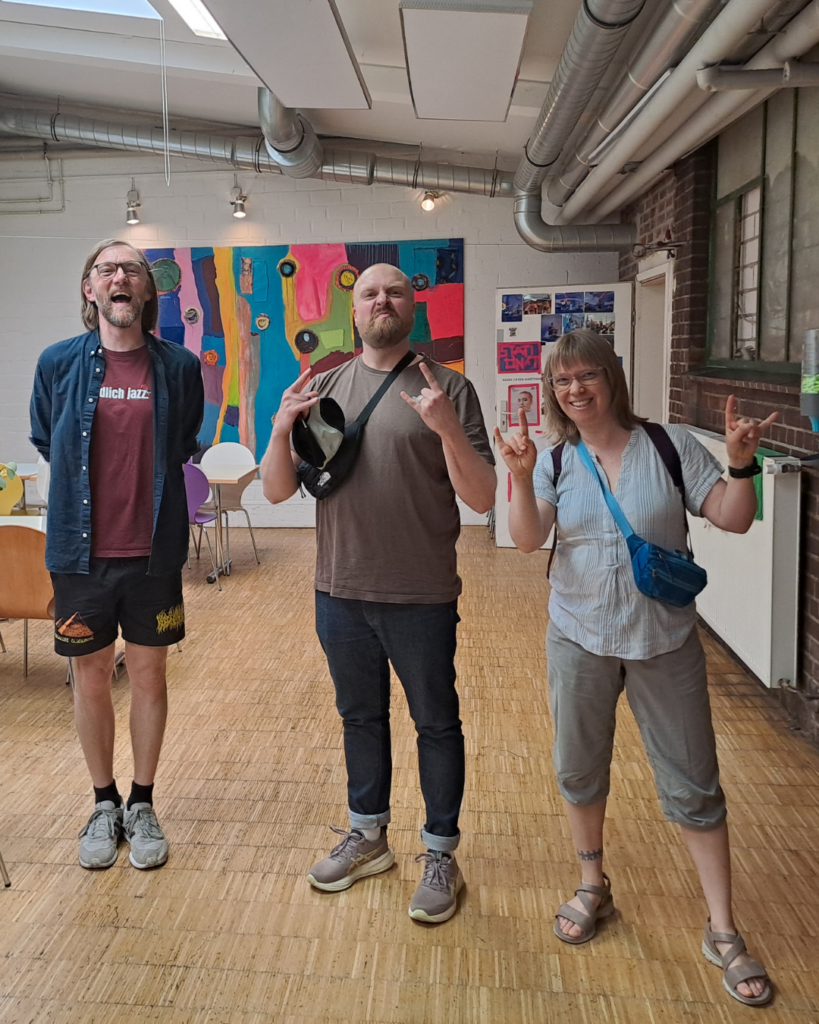
During the visit, we became familiar with a large organisation that offered numerous possibilities also from the perspective of Luovi’s students. The partner’s activities included learning and work environments related to catering, retail, property maintenance, cleaning services and media, such as music and photography studios. Different units of the organisation provided work activities, day activities, TELMA-type education and training for instructors. There was a great deal to see and learn, but the most important outcome was the realisation that there are many ways to build international cooperation between both staff members and students in vocational special needs education and training.
The journey offered more than memories
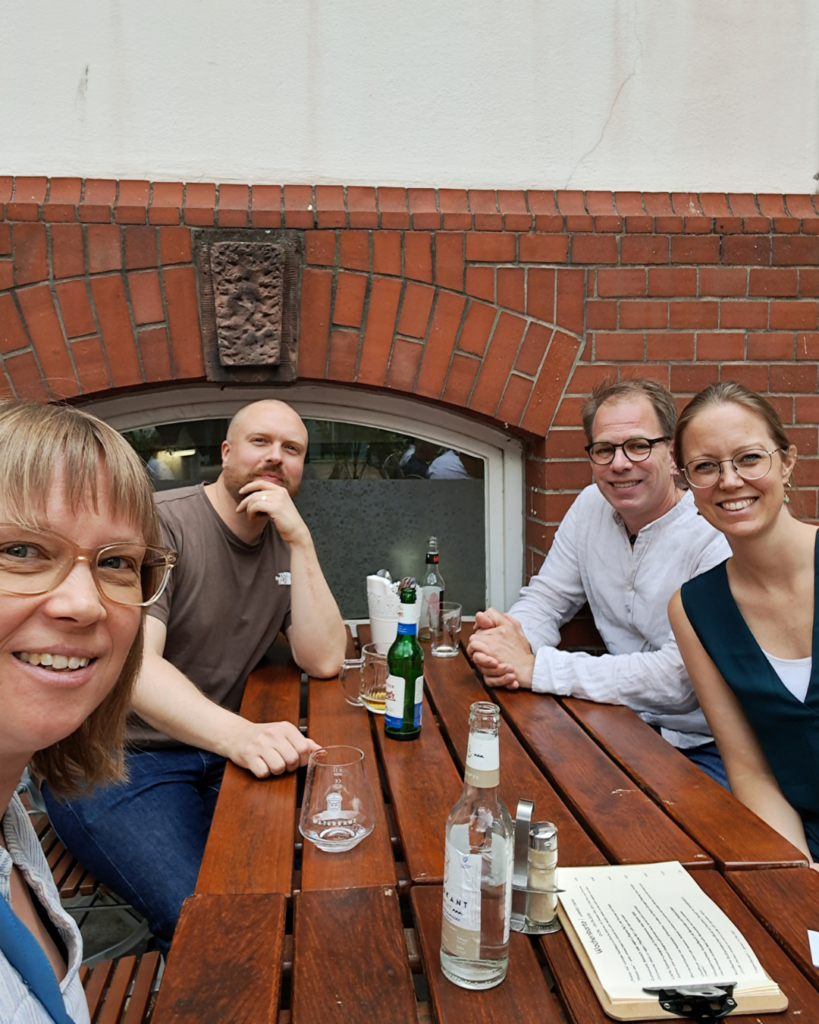
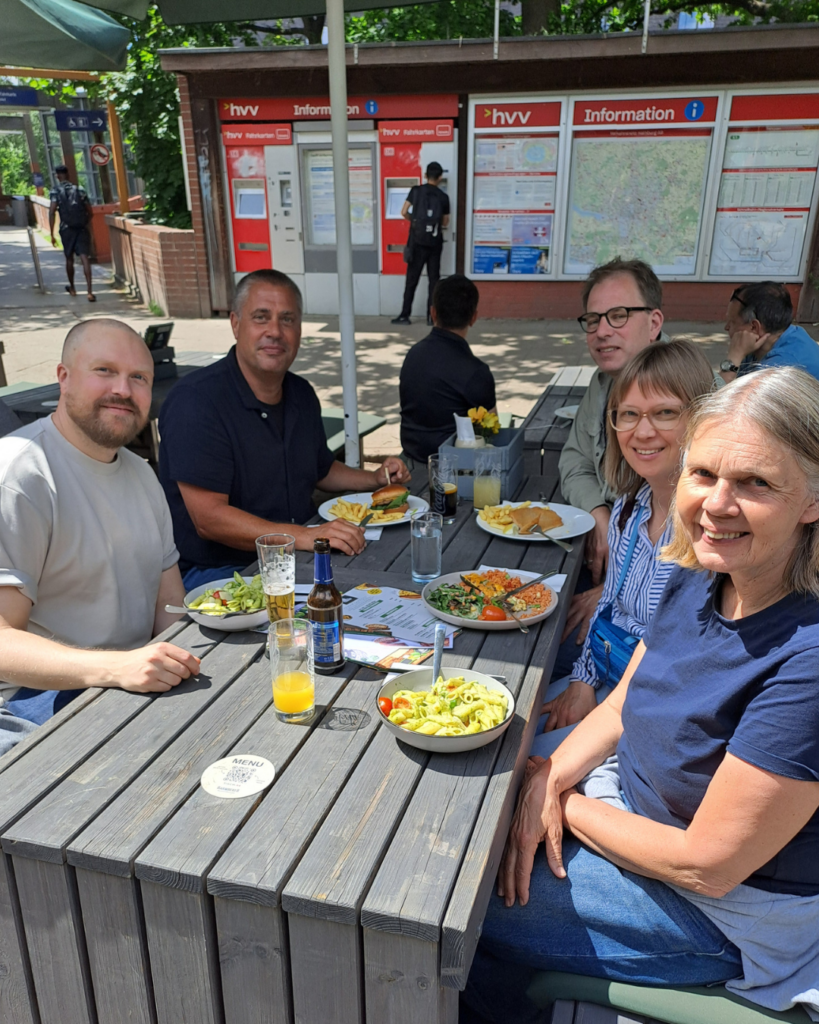
After the exchange, Mari and Aapo reflected on how much the journey had ultimately given them – professionally, personally and simply on a human level. Hamburg appeared as a diverse, green and slightly bohemian city, and thanks to their local hosts they were able to experience everyday life in a way that an ordinary business trip would not have allowed. Although the city also had its fast-paced business districts, what stayed with them most strongly were the encounters, the warm welcome and the pride with which their partners presented their work.
According to Aapo, the exchange was a major success as a whole – including the journey itself. The professional benefit was clear: the visit opened up a variety of possibilities for future cooperation, and in his view the destination would definitely be one where students should also be involved in the future. On a personal level, the journey strengthened the idea that when you dare to go, you also gain experiences that stay with you.
On the return journey, Mari experienced that overland travel is not always straightforward. Timetable changes, the cancellation of the Hamburg–Copenhagen train and making transfers alone required persistence, problem-solving skills and trust that she would still reach home. Special thanks go to the invaluable travel secretary who helped with new ticket reservations. Fatigue and uncertainty made the journey demanding at times, but that is also why the eventual sense of success was so strong. Reaching the night train cabin in Stockholm – and later arriving in Haparanda even earlier than expected – brought enormous relief.
Why travel mode matters
In the end, the question that launched the journey – does this make any sense – received several answers along the way. For the two teachers, travelling by train was much more than a way of reaching the destination: it was also a conscious choice to travel in a more climate-friendly way. According to a carbon footprint calculator, the emissions of the full return journey for two people were approximately 135 kg of CO2 when travelling by train and ferry. The same journey by air would have produced an estimated 1,165 kg of CO2. The calculation is indicative and based on the main forms of transport and the return route. It does not include local transport at the destination, transfers to stations and accommodation, or the indirect effects of organising the trip. Even so, the comparison clearly illustrates how significant the choice of travel mode can be in terms of total emissions.
Travelling by train made the journey itself part of the experience: the scenery changed gradually, there were encounters with new people, and there was also time to think. These are exactly the moments that would have been missed by flying. That is why the most important insight of the trip may not have been related only to the destination, but also to the way of travelling. At the beginning, we shared the story of the person waiting at the airport for their soul to arrive. When travelling by train, you see a great deal on one journey – four countries and nine railway stations – and perhaps most importantly, your soul travels with you all the time. When you move more slowly, you have time to see more – and perhaps also to arrive more fully yourself.
Warm thanks to everyone we met in Hamburg and to all of you who followed our journey!
Aapo Ansas and Mari Salo
Special needs vocational teachers, Luovi Rovaniemi